
Simracing eSports is evolving towards greater professionalization, with increasingly official events, immersive technologies, and growing involvement from real car manufacturers. It is becoming a competitive discipline in its own right, not just a pastime for enthusiasts.
Here is my point of view, based on the latest trends and developments:
🏆 1. Growth of official championships
In 2025, we are witnessing a natural selection: some championships are establishing themselves as benchmark events, while others, born during the pandemic boom, are disappearing. Series supported by real brands (such as the Porsche Esports Supercup or Ferrari Esports Series) are becoming increasingly professional, with significant prizes and international visibility.
🕹️ 2. Increasingly realistic technology
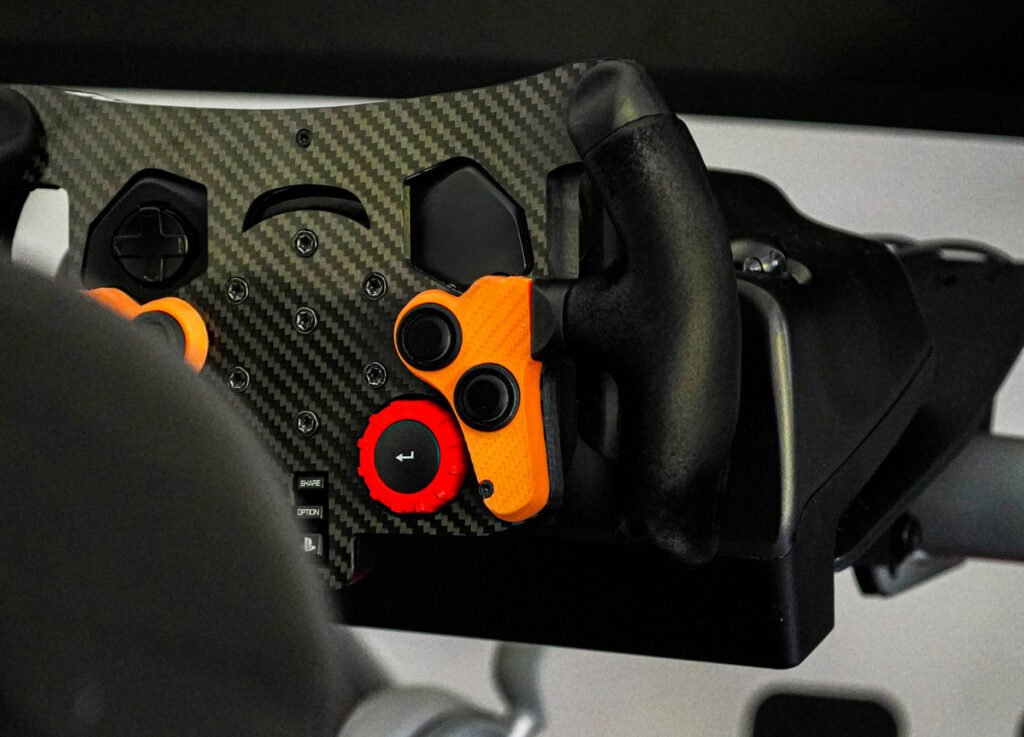
SimRacing Expo 2025 showcased an industry in turmoil: Direct Drive steering wheels, load cell pedals, dynamic seats, and virtual reality are becoming the standard. The goal is to offer an experience as close as possible to real driving, so much so that some professional drivers use simracing to train.
🌍 3. Fusion of real and virtual
More and more events combine live races and online competitions, creating a hybrid ecosystem that engages both spectators and drivers. This makes sim racing more accessible and spectacular, with formats reminiscent of traditional eSports but with the authenticity of motorsport.
💼 4. Professional opportunities
Simracing is no longer just a hobby: there are real careers behind the virtual wheel. Some drivers have moved from the simulator to the real track (such as Igor Fraga and Cem Bölükbaşı), while others work as coaches, setup engineers, or content creators.
Simracing esports is becoming a training ground for the motorsport of the future. It is inclusive, sustainable, and meritocratic: talent counts, not budget. If it continues to grow with the support of sponsors, platforms, and federations, it could become a digital Olympic discipline or an official gateway to careers in real motorsport.